
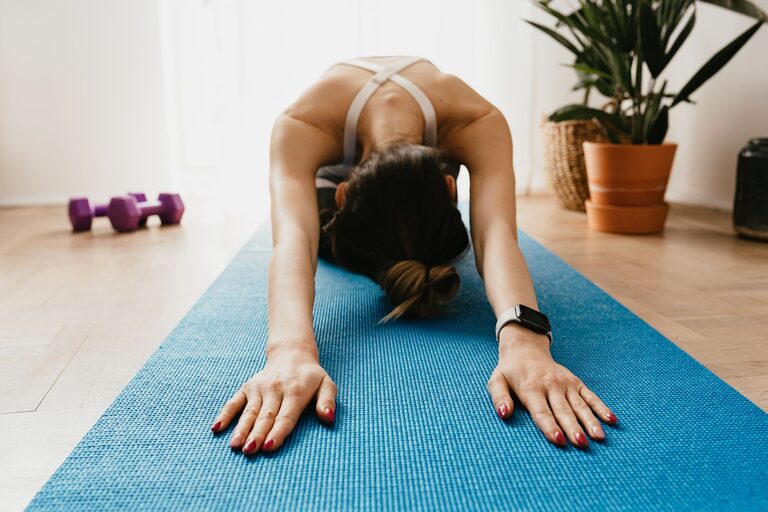
Stretching is a simple yet powerful practice that offers numerous benefits for your body and mind. Whether you’re looking to improve your flexibility, reduce muscle tension, or simply add some movement to your daily routine, stretching at home is a great place to start. This beginner’s guide will walk you through the basics of stretching, safety tips, and easy routines you can do without any special equipment.
Why Stretching Matters
Stretching helps improve your muscle flexibility and joint range of motion. When done regularly, it can:
– Enhance your posture
– Reduce muscle stiffness and soreness
– Lower the risk of injuries during physical activities
– Improve circulation and blood flow
– Promote relaxation and stress relief
For beginners, stretching is an accessible way to introduce gentle movement into your day, especially if you spend long hours sitting or inactive.
Types of Stretching
Before you start, it’s helpful to know the main types of stretching:
Static Stretching
This involves holding a stretch in one position for a period of time, usually 15-60 seconds. It is ideal for improving flexibility and is best done after warming up or following a workout.
Dynamic Stretching
Dynamic stretching uses controlled, gentle movements that take your muscles through their full range of motion. It’s excellent as a warm-up before exercise to prepare your body.
Ballistic Stretching
This method involves bouncing or jerky movements to push a stretch further. It is generally not recommended for beginners due to the risk of injury.
PNF Stretching (Proprioceptive Neuromuscular Facilitation)
A more advanced technique that combines stretching and contracting muscles. Usually guided by a professional, it’s effective but not necessary for those new to stretching.
Getting Started: Stretching at Home
Preparing Your Space
You don’t need a lot of space or fancy equipment. A comfortable, flat surface like a yoga mat or carpeted floor works well. Wear comfortable clothing that allows you to move freely.
Warm Up First
Stretching cold muscles can cause injury. Warm up with 5-10 minutes of light activity such as walking in place, marching, or gentle arm circles to increase your body temperature.
Follow These Safety Tips
– Never force a stretch to the point of pain.
– Breathe deeply and evenly while stretching.
– Hold static stretches without bouncing.
– Avoid holding your breath.
– If you have any injuries or medical conditions, consult a healthcare professional before starting a new stretching routine.
Basic Stretching Routine for Beginners
Here’s a simple routine focusing on major muscle groups. Hold each stretch for 20-30 seconds and repeat 2-3 times on each side if applicable.
Neck Stretch
– Sit or stand tall.
– Slowly tilt your head to one side, bringing your ear toward your shoulder.
– You can deepen the stretch by gently using your hand to apply light pressure.
Shoulder Stretch
– Bring one arm across your chest.
– Use the opposite arm to gently pull the stretched arm closer to your chest.
Triceps Stretch
– Raise one arm overhead.
– Bend your elbow to touch the middle of your upper back.
– Use the other hand to gently press the bent elbow.
Chest Stretch
– Clasp your hands behind your back.
– Straighten your arms and lift your hands slightly while opening your chest.
Side Stretch
– Stand with feet shoulder-width apart.
– Raise one arm overhead and lean to the opposite side.
Hamstring Stretch
– Sit on the floor with one leg extended.
– Reach toward your toes while keeping your back straight.
Quadriceps Stretch
– Stand and hold onto a chair for balance.
– Bend one knee and hold your ankle to bring your heel toward your buttocks.
Calf Stretch
– Stand facing a wall.
– Place your hands on the wall and step one foot back, keeping it straight and heel on the ground.
Incorporating Stretching into Your Daily Routine
Consistency is key for seeing benefits from stretching. You can:
– Stretch in the morning to wake up your body.
– Take short stretching breaks during work or study sessions.
– Stretch before and after workouts or physical activities.
– Use stretching as a relaxing evening routine to unwind.
Helpful Tools and Resources
While all you need is your body and some space, some people find the following items useful:
– Yoga mat for cushioning and grip.
– Stretching strap or towel to assist with hamstring or shoulder stretches.
– Foam roller to massage muscles before or after stretching.
There are plenty of free online videos and apps offering guided stretching routines, which can be especially helpful for beginners.
Final Thoughts
Stretching at home is a low-impact, accessible way to improve your flexibility and overall wellness. By starting slow, paying attention to your body’s signals, and being consistent, you can create a habit that supports your health for years to come.
Remember, every body is different. Progress may be gradual, and that’s perfectly okay. Enjoy the process, and take pride in giving your body the care it deserves!
