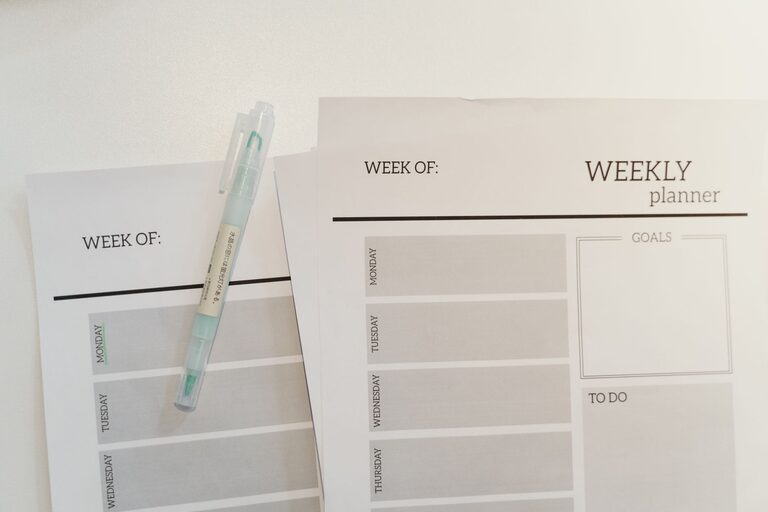

Creating a weekly reset routine can be a game-changer for maintaining your productivity, reducing stress, and feeling refreshed as you move through your week. Just like a phone or computer needs to reboot to clear out clutter and improve function, your mind and environment benefit from a regular reset too. This guide will help you design a personalized weekly reset routine that fits your lifestyle and goals.
What Is a Weekly Reset Routine?
A weekly reset routine is a set of intentional activities you perform once a week to recharge mentally, physically, and emotionally. It’s a chance to reflect on the past week, clear out tasks or clutter, and prepare yourself for the upcoming days. This can include organizing your space, planning your schedule, practicing self-care, and setting intentions.
Why You Should Have a Weekly Reset
– Boosts Productivity: Clears your mind and workspace, making it easier to focus.
– Reduces Stress: Helps you feel in control by addressing pending tasks and worries.
– Improves Wellness: Incorporates time for rest and self-care to prevent burnout.
– Enhances Planning: Gives you a clear view of your goals and priorities for the next week.
Step 1: Choose the Best Day and Time
Pick a consistent day and time each week that works for you. For many, Sunday afternoon or evening is ideal because it sets the tone for the week ahead. However, if weekends are busy, consider a weekday evening or a morning that you can dedicate to reflection and planning.
Step 2: Reflect on the Past Week
Spend 10-15 minutes reviewing your past week. Ask yourself questions like:
– What were my accomplishments?
– What challenges did I face?
– What could I improve?
– Did I take enough time for myself?
Journaling your answers or simply thinking through them helps you learn from your experiences and adjust your approach.
Step 3: Clear and Organize Your Space
A cluttered space can create mental clutter. Use your reset time to:
– Tidy your desk, kitchen, or living area.
– Sort through mail, papers, or digital files.
– Plan grocery shopping or meal prep.
– Do laundry or any household chores that have piled up.
Organizing your environment makes your daily routine smoother and reduces overwhelm.
Step 4: Plan Your Upcoming Week
Take 20-30 minutes to map out your next week:
– Review important appointments and deadlines.
– Create a to-do list and prioritize tasks.
– Schedule specific blocks of time for work, errands, and relaxation.
– Set one or two key goals to focus on.
Using a planner, calendar app, or bullet journal can help keep everything in one place and easy to update.
Step 5: Include Self-Care Activities
Reset routines aren’t just about chores and planning. Prioritize activities that nourish your body and mind, such as:
– Taking a relaxing bath or shower.
– Practicing mindfulness, meditation, or deep breathing.
– Reading a book or listening to music you enjoy.
– Doing light exercise like stretching, yoga, or a walk.
– Preparing healthy meals or snacks.
Tailor these activities to what feels most restorative for you.
Step 6: Digital Detox and Inbox Management
Constant notifications and cluttered inboxes increase stress. During your reset:
– Unsubscribe from unnecessary emails.
– Respond to or archive important messages.
– Organize digital files into folders.
– Limit social media time or take a short break.
Lowering digital distractions frees mental space and improves focus.
Step 7: Set Intentions and Affirmations
Finish your reset by setting positive intentions for the week. These can be simple phrases like:
– “I will focus on progress, not perfection.”
– “I choose to prioritize my well-being.”
– “I am capable of managing my time effectively.”
Writing these down or saying them aloud can help motivate and ground you.
Tips for Sticking to Your Routine
– Start small: If an hour feels daunting, begin with 15–20 minutes.
– Make it enjoyable: Play your favorite music or light a candle.
– Be flexible: Life changes, so adjust your routine as needed.
– Track your progress: Celebrate when you complete your weekly reset.
– Involve others: Invite family members to join for shared chores or planning.
Sample Weekly Reset Routine Timeline
| Time | Activity |
|————–|——————————–|
| 0–10 minutes | Reflect on past week |
| 10–30 minutes| Tidy up and organize space |
| 30–60 minutes| Plan upcoming week |
| 60–75 minutes| Self-care activity |
| 75–90 minutes| Digital inbox and notifications|
| 90–100 minutes| Set intentions and affirmations|
Adjust this timeline to fit your preferences and schedule.
Final Thoughts
Designing a weekly reset routine is a simple yet powerful way to improve your overall well-being and productivity. By dedicating a regular time to reflect, organize, plan, and care for yourself, you prepare to face each new week with clarity and confidence.
Ready to start your own weekly reset? Choose your best day, gather your favorite tools, and create a routine that works beautifully for you!

Related Posts